The Ultimate Guide to Choosing the Right HVAC System for Your Home Feb 03, 2026
It is essential to start with an evaluation of your specific heating, ventilation, and air conditioning needs. Consider your home's size, age, local climate, and personal comfort preferences. An oversized system may lead to excess energy consumption, while an undersized system may struggle to maintain a comfortable temperature throughout your home. Understanding the square footage, number of rooms, and insulation quality of your home will set the foundation for your decision.
Next, familiarize yourself with the types of HVAC systems available. Central air conditioners are common and efficient for whole-house cooling, while heat pumps offer both heating and cooling, ideal for moderate climates. Mini-split systems are a great choice for homes without ductwork, providing zone-based control and efficiency. If extreme temperature variations are a concern, a dual-fuel system, which couples a heat pump with a gas furnace, might be the perfect solution.
Efficiency should be a critical factor in your decision-making process. Pay close attention to the Seasonal Energy Efficiency Ratio (SEER) and the Heating Seasonal Performance Factor (HSPF) ratings. Higher SEER and HSPF ratings indicate better energy efficiency, potentially leading to lower utility bills. While the initial cost may be higher, energy-efficient systems are typically more cost-effective in the long run.
Budgeting for your HVAC system is crucial, as prices can vary significantly. While it may be tempting to choose the least expensive option, investing in a quality system designed for efficiency and durability can save money over time. Additionally, consider any available rebates or incentives that could offset initial costs. A financing plan might also be an option, ensuring you can afford a high-quality system without compromising other household needs.
In addition to the system itself, think about compatibility with smart home technology. Integrating a smart thermostat can enhance your system's performance by optimizing heating and cooling schedules based on occupancy patterns. This technological integration not only conserves energy but also adds an element of convenience to managing your indoor environment.
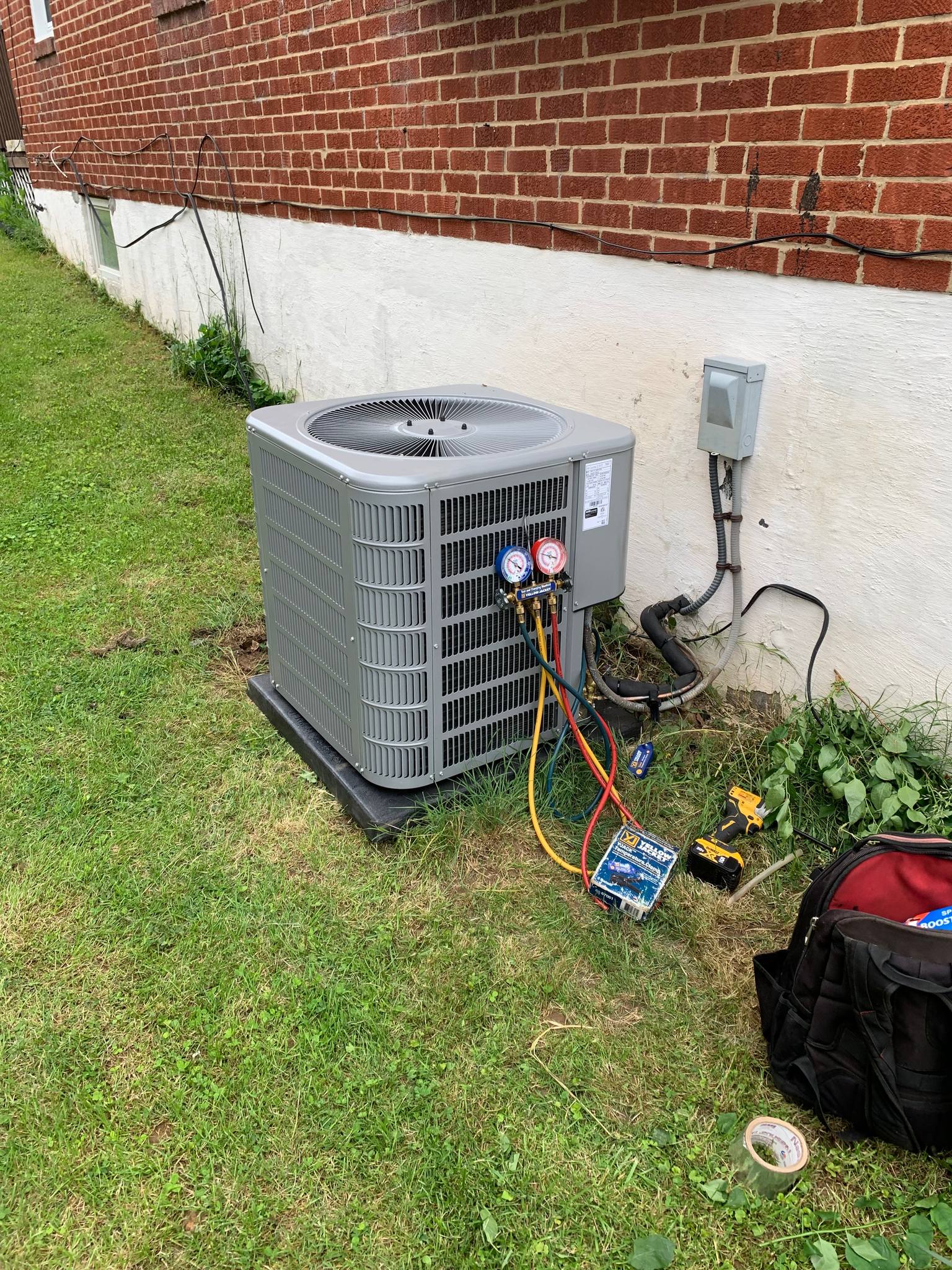
Proper installation is equally critical to your system's success. Enlisting a professional HVAC service like All Day A/C ensures that the system is installed correctly and optimized for your specific needs. Poor installation can lead to inefficiencies and even safety hazards, emphasizing the importance of expert involvement.
Finally, plan for regular maintenance to extend the life of your HVAC system. Routine check-ups and cleaning, such as replacing filters and inspecting ductwork, can prevent unexpected breakdowns and maintain peak performance. Many service providers, including All Day A/C, offer maintenance plans to keep your system running smoothly.
In conclusion, choosing the right HVAC system requires careful consideration of your home's demands, energy efficiency, budget, and the potential for smart technology integration. By taking these elements into account and partnering with professionals, you can ensure a comfortable and energy-conscious home environment for years to come. Let the experts at All Day A/C guide you in making the perfect choice for your home's HVAC needs.
/filters:no_upscale()/filters:format(webp)/media/6a3f5156-871c-45a0-afc1-e02c87cf273d.jpg)