Understanding the Science Behind HVAC Systems: Insights from All Day A/C May 22, 2026
HVAC systems are designed to regulate air flow, temperature, and humidity within a building, ensuring a comfortable and healthy environment. The primary components of an HVAC system include the air conditioning unit, furnace, heat pump, ductwork, thermostats, and ventilation mechanisms. Each of these parts plays a vital role in the system's overall operation, working together to meet the indoor climate needs of your space.
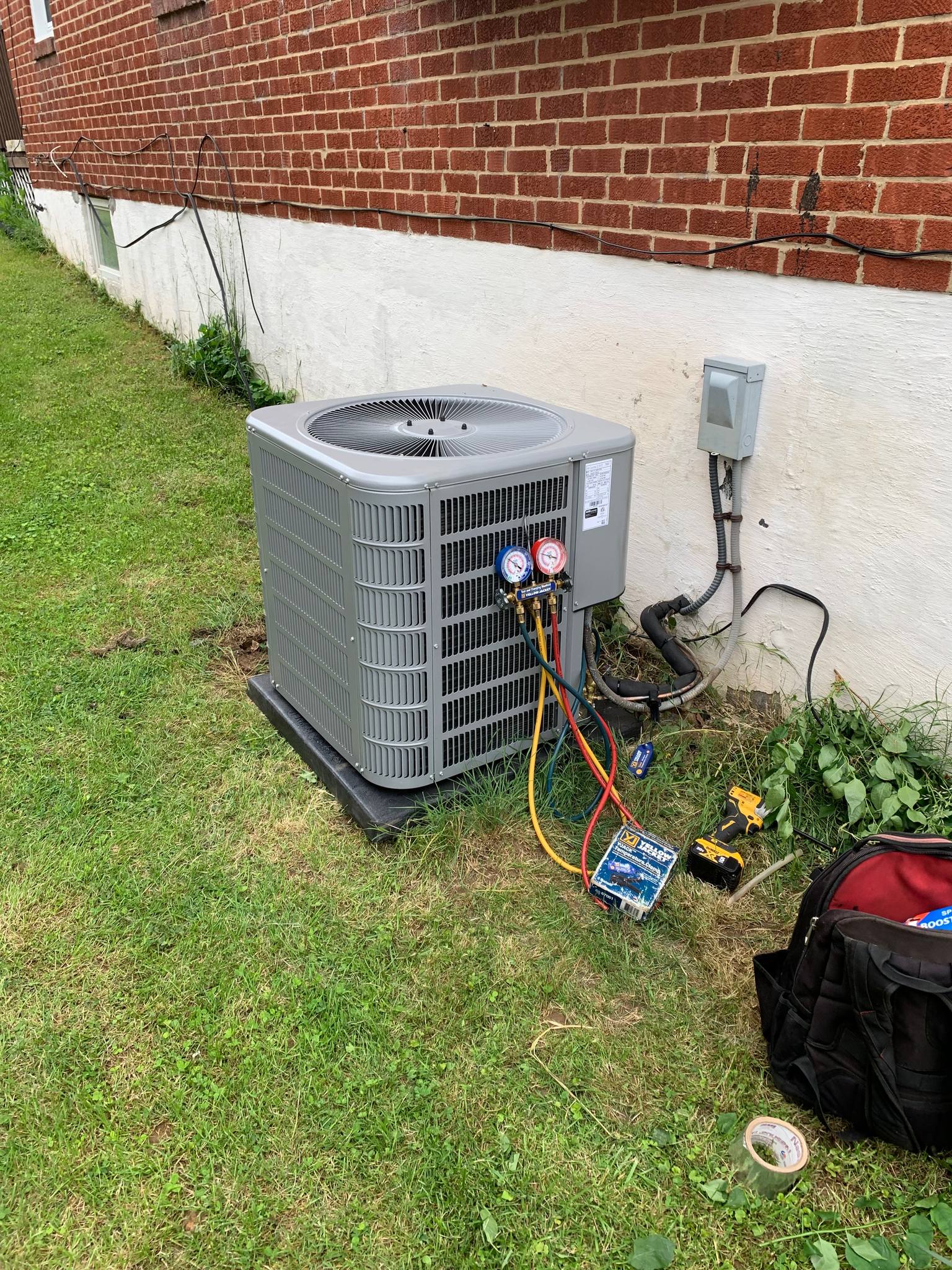
Air conditioning systems, for instance, work by removing heat from indoor air and transferring it outside, using the principles of refrigerant thermodynamics. A refrigerant is a chemical compound that easily transforms from a gas to a liquid and back, cycling through the system to absorb and expel heat. The evaporator coil inside the home extracts heat from the air, and the condenser coil outside releases it, effectively cooling your home.
On the heating side, furnaces convert energy to heat, typically using fuel like gas, oil, or electricity. The heat generated is then distributed throughout the home via ductwork. Alternatively, heat pumps offer an energy-efficient alternative by transferring heat rather than generating it, functioning similarly to a reverse air conditioning process during colder months.
Ventilation is another critical aspect of HVAC systems. Proper ventilation ensures that indoor air quality is maintained by expelling polluted air and introducing fresh, clean air. This process reduces moisture and removes pollutants, which are essential for health and comfort. Mechanical ventilation systems, such as fans and air exchangers, help circulate air to prevent the build-up of contaminants and moisture that can lead to mold growth and other problems.
Thermostats act as the brain of your HVAC system, allowing you to control your indoor environment precisely. Modern programmable thermostats or smart thermostats offer the flexibility to set specific temperatures at different times of the day, optimizing energy use and lowering utility bills. At All Day A/C, we often recommend upgrading to smart thermostats not only for convenience but for significant cost savings.
Understanding the science behind HVAC systems helps homeowners make informed decisions, whether it's choosing a system, scheduling maintenance, or recognizing when something isn't functioning correctly. Regular maintenance checks by professionals can extend the life of the HVAC system and improve efficiency, yielding returns in both comfort and cost.
At All Day A/C, our commitment extends beyond just providing top-notch HVAC services. We aim to educate our customers, offering insights that foster trust and knowledge regarding their home systems. By understanding how these systems function, homeowners can enjoy greater efficiency, reduced energy costs, and enhanced comfort.
If you’re looking to maximize your HVAC system's performance or have any questions, don’t hesitate to contact us. Our experts at All Day A/C are ready to provide assistance and ensure your environment remains comfortably optimized throughout the year.
/filters:no_upscale()/filters:format(webp)/media/6a3f5156-871c-45a0-afc1-e02c87cf273d.jpg)